

Discover what AEO (Authorized Economic Operator) and GEO (Global Exporters/Operators) mean, how they work, why they were introduced, and why modern businesses rely on them. A complete AEO & GEO guide by SyTechBd for entrepreneurs, importers, exporters, and logistics professionals.
International trade is growing faster than ever. Every year, millions of shipments move across borders, and customs authorities must ensure both security and efficiency. To maintain safe trade without slowing down global business, two powerful systems were introduced: AEO and GEO.
Both AEO (Authorized Economic Operator) and GEO (Global Export Operator/Global Exporters Organization — used in multiple regions) are designed to make global trade faster, safer, and more credible. Whether you run an import-export business, work in logistics, or study international commerce, understanding these systems is essential.
This full guide—brought to you by SyTechBd—explains AEO & GEO in simple language, how they work, their benefits, and why they matter in today’s global economy.
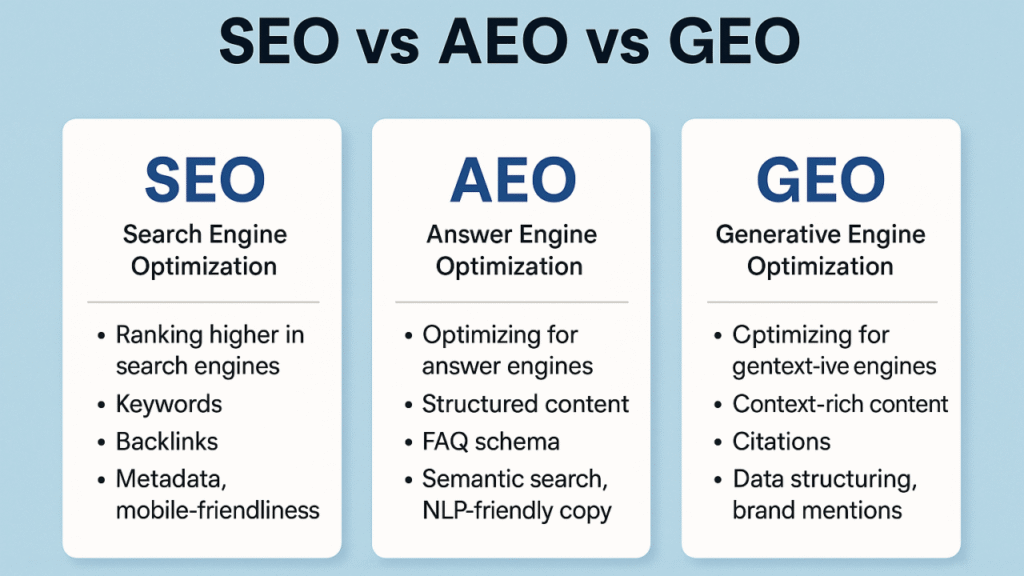
1. What is AEO? (Authorized Economic Operator)
AEO stands for Authorized Economic Operator, a program introduced by the World Customs Organization (WCO) after 9/11 to strengthen global supply chain security.
Simple Definition
An AEO-certified company is officially recognized as a trusted, safe, and compliant trader by customs authorities.
AEO applies to companies involved in:
- Importing
- Exporting
- Shipping
- Customs clearing
- Manufacturing
- Warehousing
- Freight forwarding
AEO is like receiving a VIP badge from customs. It tells governments worldwide:
“This company is safe, trustworthy, and follows international customs standards.”
2. When Did AEO Start?
The AEO program was launched in 2005 after the WCO SAFE Framework of Standards was created. Its goals were:
- Reduce illegal activities (terrorism, smuggling)
- Improve supply chain transparency
- Speed up customs procedures
- Build a trusted global network of companies
Today, more than 80+ countries run AEO programs, including the EU, China, the USA (C-TPAT), India, Japan, and many more.
3. How Does AEO Work?
To become AEO certified, a company must pass strict checks:
✔ Financial stability
✔ Strong security measures
✔ Compliance with customs rules
✔ Accurate record-keeping
✔ Transparent supply chain process
✔ Risk-free shipment handling
After approval, customs grants the company AEO status, allowing it to move goods across borders much more efficiently.
Types of AEO Certificates (Example: EU Model)
- AEO-S (Security)
- AEO-C (Customs Simplification)
- AEO-F (Full – both Security and Customs)
Countries may name these categories differently, but the concept is the same.
4. Benefits of AEO Certification
AEO provides major advantages such as:
1. Faster Customs Clearance
- Priority checking
- Reduced physical inspections
- Separate fast-track lanes
2. Lower Risk of Delays
AEO companies rarely face random checks.
3. Global Recognition
Many countries mutually recognize AEO certifications.
4. Reduced Documentation
Paperwork becomes minimal.
5. Better Business Reputation
Buyers prefer dealing with AEO-certified companies.
6. Lower Logistics Cost
Fewer delays = reduced warehouse charges and demurrage.
7. Increased Security
Improved protection against theft, smuggling, and fraud.
8. Competitive Advantage
AEO businesses become more reliable in global markets.
5. What is GEO? (Global Export Operator / Global Export Organization)
GEO stands for Global Export Operator (also known as Global Export Organization depending on regulatory region).
GEO is a system designed to:
- Support exporters
- Simplify international trade processes
- Ensure global compliance
- Promote faster cross-border shipment flows
While AEO is mainly security and customs compliance, GEO focuses more on export facilitation and global trading standards.
Simple Definition
A GEO-certified business is globally recognized as a reliable exporter with streamlined procedures and international compliance.
6. When Did GEO Start?
GEO is not as old as AEO. It developed gradually from:
- Global supply chain standardization
- Cross-border trade agreements
- Regional free trade initiatives
Many regions introduced GEO between 2010–2020, depending on their trade networks.
Organizations like:
- International Chamber of Commerce (ICC)
- Global Export Controls programs
- Regional export councils
helped shape GEO frameworks.
7. How GEO Works
To be GEO-certified, a business must maintain:
✔ Transparent export records
✔ Compliance with international regulations
✔ Proper documentation
✔ Anti-fraud measures
✔ Verified trade partners
✔ High-quality product controls
✔ Secure packaging and shipment
Once verified, exporters receive GEO authorization, giving them a significant advantage in global markets.
8. Benefits of GEO Certification
1. Export Priority Processing
Shipments get processed faster by authorities in many countries.
2. Global Business Credibility
GEO-certified companies are considered more trustworthy.
3. Better Access to International Markets
Some countries restrict trade to only GEO-compliant exporters.
4. Higher Customer Trust
Buyers feel confident about certified exporters.
5. Reduced Inspection and Verification
Fewer checks = faster cargo movement.
6. Contract Eligibility
Some multinational companies only work with AEO & GEO-certified suppliers.
9. AEO & GEO — What’s the Difference?
| Feature | AEO | GEO |
|---|---|---|
| Focus Area | Security + Customs Compliance | Export Compliance + Global Standards |
| Purpose | Safe, secure supply chain | Fast, accurate, compliant export |
| Introduced | 2005 | 2010–2020 (varies) |
| Main Users | Importers, exporters, logistics companies | Exporters, manufacturers |
| Government Recognition | Very high | High but region-dependent |
Both programs help businesses grow but are used for slightly different purposes.
10. Why Do We Need AEO & GEO?
In modern trade, security and efficiency are crucial. Here’s why these systems matter:
✔ To reduce illegal activities
Smuggling, terrorism, document fraud—AEO and GEO reduce risks.
✔ To speed up global trade
Faster clearance saves millions in logistics costs.
✔ To protect national borders
Strong verification ensures only trustworthy companies trade internationally.
✔ To strengthen business reputation
Certified companies attract better clients and partnerships.
✔ To reduce customs workload
Authorities focus on high-risk shipments.
✔ To boost economic growth
Efficient trade = stronger national economy.
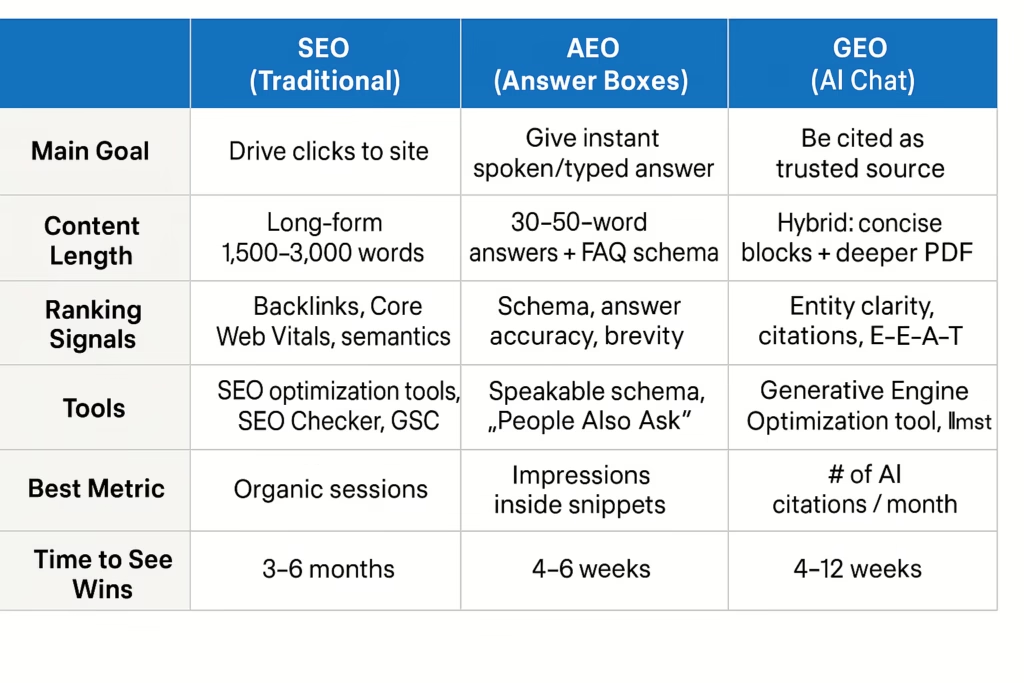
11. How AEO & GEO Help Bangladeshi Businesses (SyTechBd Perspective)
Bangladesh is rapidly growing as a trade hub. AEO & GEO can significantly help:
- Garments and textile exporters
- Electronics importers
- Logistics companies
- E-commerce businesses
- Shipping agents
- Manufacturers
- Customs brokers
Benefits for Bangladeshi entrepreneurs:
✔ Faster port clearance
✔ Stronger international buyer confidence
✔ Better pricing power
✔ Reduced lead time
✔ Enhanced supply chain security
Many Bangladeshi companies already pursue AEO to improve global competitiveness.
13. Final Thoughts AEO & GEO
AEO & GEO are two of the most powerful systems for protecting global trade and improving the speed of cross-border shipments. Introduced to increase security, transparency, and efficiency, these certifications now play a major role in international business.
For businesses in Bangladesh—and across the world—achieving AEO & GEO status can be a game-changing advantage. With improved credibility, faster clearance, and reduced risk, companies can grow more confidently in the global market.
At SyTechBd, we always encourage businesses to understand and adapt to global standards. Whether you work in logistics, exporting, importing, or manufacturing, AEO & GEO can significantly strengthen your operations and open doors to new opportunities worldwide.