

Global Unemployment Crisis, unemployment 2025, job crisis, world jobless rate, automation impact, youth unemployment, AI and jobs, economic crisis, future of work, SyTechBd
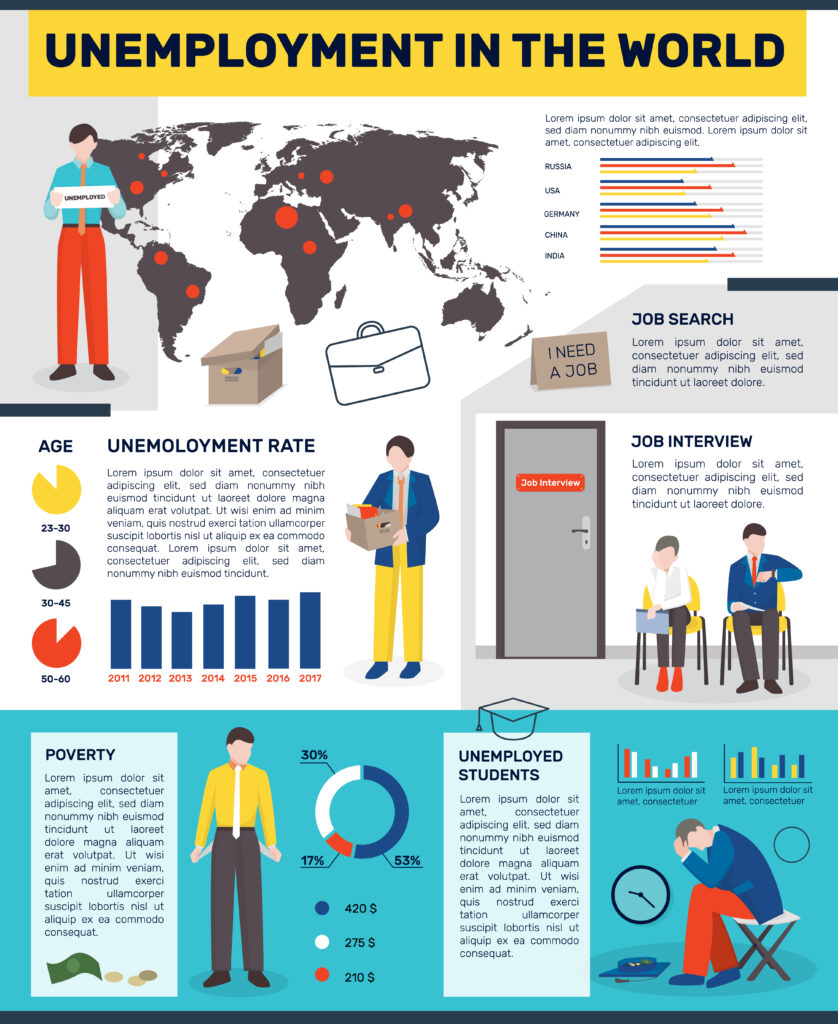
Unemployment Crisis—or the lack of access to decent, stable, and income-generating jobs—has become one of the most pressing global concerns in 2025. Despite technological advancement, globalization, and increased educational access, millions still struggle to secure employment. The world unemployment rate hovers around 5.2%, but this number is deceptive. Real global joblessness—including hidden unemployment, underemployment, and informal work insecurity—is significantly higher.
Today’s world is facing a massive transformation of the job market, driven by factors such as automation, artificial intelligence, economic inequality, political instability, global recessions, and shifting industry skills.
In this exclusive SyTechBd analysis, we break down how unemployment works, why it’s increasing, what future challenges are coming, and how global societies can solve it.
What Is Unemployment Crisis? (A Simple, Clear Definition)
Unemployment refers to a situation where able, willing, and actively job-seeking individuals cannot find work.
There are three basic conditions:
- The person must be physically and mentally capable of working
- The person must be actively searching for a job
- The person must not be employed in any paid work
If these three conditions hold true, the individual is counted as unemployed.
However, the modern world also faces:
- Underemployment (working fewer hours or earning too little)
- Skill mismatch (degrees don’t match job demands)
- Gig unemployment (temporary work with no stability)
- Automation-based unemployment (AI/robots replacing tasks)
The real picture is bigger than what traditional numbers show.
Why Global Unemployment Crisis Is Rising: 2025 Deep Breakdown
1. Automation & Artificial Intelligence
AI is helping industries grow—but it is also replacing millions of routine and manual jobs.
Industries most affected:
- Data entry
- Customer support
- Retail & cashier jobs
- Administrative roles
- Basic accounting
- Transportation (self-driving tech)
- Manufacturing & assembly lines
AI doesn’t just replace workers—it reshapes job structures.
For example:
- 10 entry-level jobs may disappear
- But 2 high-skill jobs appear
This creates a net negative effect on employment for many countries.
2. Global Economic Slowdowns & Recession Pressures
Inflation, rising interest rates, reduced investments, and unstable markets have led to mass layoffs across:
- Tech companies
- Manufacturing plants
- Startups
- Logistics and supply chain sectors
When economies contract, hiring freezes become common, and unemployment spikes globally.
3. Youth Skill Gap
This is one of the most dangerous trends in 2025.
Millions of young people graduate every year, but:
- Their skills don’t match modern job requirements
- Practical experience is missing
- Education systems still teach 20-year-old syllabuses
- Companies demand experience, while freshers need their first opportunity
So youth unemployment continues rising.

4. Political Instability & Migration Pressures
War, political conflict, corruption, and instability force people to migrate.
But migrants:
- Cannot always find proper jobs
- Face legal restrictions
- Accept low wages
- Become part of informal job sectors
Thus, global joblessness grows.
5. Rapid Population Growth in Developing Countries
Africa and South Asia see huge population increases every year.
But job creation is not increasing at the same speed.
This mismatch causes widespread unemployment and economic pressure.
6. Technological Displacement in Factories
Robotics and automated machinery are replacing workers in:
- Garments & textile
- Electronics assembly
- Automobile manufacturing
- Food processing
One robot can replace 7–10 workers in some industries, drastically shrinking job availability.
7. Remote Work Competition
Remote jobs allow companies to hire global talent.
This means:
- Local workers compete with international workers
- Companies choose cheaper labor from other countries
- Local unemployment increases
For example, a company in the U.S. can hire a specialist from India, Bangladesh, or the Philippines at a lower cost.
Types of Unemployment Crisis (Explained Clearly)
1. Structural Unemployment
Due to technology replacing jobs or industries becoming obsolete.
2. Frictional Unemployment
Short-term unemployment when people switch jobs.
3. Seasonal Unemployment
Work depending on seasons (tourism, agriculture).
4. Cyclical Unemployment
Caused by recessions and economic downturns.
5. Technological Unemployment
AI/robots replacing human labor.
The Real Impact of Global Unemployment
Unemployment Crisis is not just an economic issue—it affects entire societies.
1. Rising Poverty
No job means:
- No income
- No savings
- No quality of life
Millions fall below the poverty line due to joblessness.
2. Mental Health Crisis
Unemployment can cause:
- Depression
- Anxiety
- Loss of confidence
- Stress
- Social isolation
This is now recognized as a global mental health emergency.
3. Crime Rates Increase
When people cannot earn:
- Theft rises
- Drug trafficking increases
- Fraud and cybercrime expand
Unemployment Crisis and crime are directly connected.
4. Migration & Brain Drain
Skilled workers leave their countries because:
- No job opportunities
- Low salaries
- Political instability
This causes long-term national skill shortages.
5. Economic Slowdown
A jobless population:
- Spends less
- Buys fewer goods
- Reduces market demand
- Weakens businesses
- Shrinks national GDP
It becomes a dangerous cycle.

How AI & Automation Will Change Future Jobs (2025–2035)
AI will create new opportunities—but primarily for skilled workers.
Jobs that may decline:
- Data entry
- Call center agents
- Cashiers
- Assembly line workers
- Basic graphic designers
- Junior accountants
Jobs that will grow:
- AI engineering
- Cybersecurity
- Robotics maintenance
- Digital marketing
- Cloud computing
- Healthcare technologies
- Renewable energy engineering
The future job market belongs to skilled, tech-ready individuals.
Global Unemployment Crisis Statistics (2025 Snapshot)
- Over 210 million people are actively unemployed
- Nearly 500 million suffer from underemployment
- Youth unemployment (age 18–25) is 13% globally, higher in developing nations
- Women face more job obstacles than men
- AI displacement affects over 40% of entry-level jobs
These numbers highlight a crisis that demands immediate action.
How to Solve Global Unemployment Crisis: Practical Solutions for the Future
1. Massive Skill Development Programs
Countries need to create nationwide digital upskilling platforms:
- Coding
- AI training
- Graphic design
- Digital marketing
- Cybersecurity
- Soft skills (communication, leadership)
Skill development reduces Unemployment Crisis dramatically.
2. Support for Startups & Small Businesses
Governments must:
- Offer startup loans
- Reduce taxes
- Encourage entrepreneurship
- Support women entrepreneurs
Small businesses create 70% of global jobs.
3. Remote Work Infrastructure
Countries must promote:
- Freelancing
- Remote job training
- International client communication skills
Remote work can reduce youth Unemployment Crisis drastically.
4. Stronger Labor Laws
To protect workers from:
- Unfair layoffs
- Exploitation
- Discrimination
Fair workplaces create stable employment.
5. Education System Reform
Outdated education must be replaced with:
- Practical training
- Industry partnerships
- Internship programs
- Modern curricula
6. Investment in Technology & Innovation
AI won’t stop advancing—so workers must be prepared.
Countries must invest in:
- Research labs
- Tech parks
- Robotics centers
- Startup incubators
7. Public-Private Partnerships
Governments and companies must work together to create:
- Training programs
- Job creation plans
- National employment strategies
Conclusion: The World Must Act Now
Global Unemployment Crisis is not just a statistic—it’s a crisis that affects families, nations, and future generations.
The world is changing fast, and without the right skills, millions will continue falling behind.
However, with smart policies, digital upskilling, innovation, and economic reform, the global job crisis can be reversed.
SyTechBd believes the future of work belongs to those who:
- Learn fast
- Adapt to technology
- Stay creative
- Build new skills
This is not the end of jobs—just the beginning of a new era of smart, digital, innovative employment.