

Explore the dark side of VR and how children are drifting away from the real world into virtual spaces. Learn the long-term dangers, social impacts, psychological risks, and how real-world play and environment-friendly habits can protect the next generation.
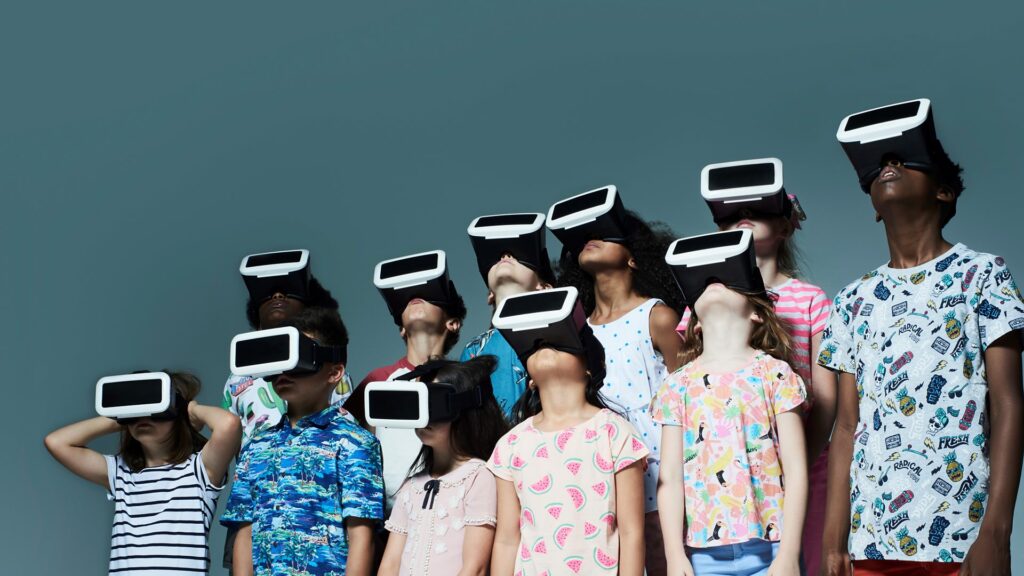
The Dark Side of VR: How Children Are Leaving Reality for a Virtual Life
Technology is evolving faster than ever, and Virtual Reality (VR) has become one of the most transformative inventions of the modern world. It promises adventure, education, creativity, and infinite entertainment. But the dark side of VR goes far beyond screen time, especially for young users. A global wave has started where children and teenagers are slowly drifting away from real-world activities, relationships, and responsibilities, choosing instead to spend their time inside virtual universes.
This article examines why kids are getting addicted, how it harms their physical and mental development, the dangers society may face, and how to reduce these risks. As a technology-focused company, SyTechBd brings you a fully researched guide to understanding this rising threat.
1. Why Are Children Getting Addicted to VR?
1.1 The Illusion of a Better World
One of the biggest reasons children prefer VR is that it offers a world where:
- they can fly,
- fight,
- socialize without fear,
- become superheroes,
- escape consequences.
For a developing mind, VR feels like a shortcut to happiness. This illusion becomes highly addictive because the brain receives a stream of dopamine.
1.2 VR Offers Instant Reward
In VR games, rewards come instantly:
- level up,
- new skins,
- virtual money,
- winning battles.
In real life, success requires time, effort, and patience. Kids choose VR because it feels easier.
1.3 Lack of Outdoor Activities
The modern world has fewer safe open spaces, fewer playgrounds, and increased academic pressure. Naturally, children shift toward screen-based entertainment, and VR feels more exciting than smartphones.
1.4 Social Pressure and Trend Culture
The global hype around VR encourages kids to follow influencers, streamers, and gaming content creators. They feel left out if they are not part of the trend.
2. How VR Pulls Children Away from Reality
2.1 Loss of Real-World Social Skills
Social interaction in VR is fast, easy, and filtered. Kids start avoiding:
- face-to-face conversations,
- family time,
- outdoor friendships.
Over time, their real-world confidence decreases.
2.2 Reduced Physical Activity
Playing outside builds:
- muscle strength,
- immunity,
- stamina,
- coordination.
VR removes real physical movement, causing:
- obesity,
- posture problems,
- weak muscles,
- vision issues.
2.3 Emotional Detachment
When the virtual environment becomes more exciting than real life, children lose interest in:
- studies,
- hobbies,
- family bonding,
- nature.
This emotional detachment creates long-term psychological effects.
3. The Psychological Effects: The True Dark Side of VR
The keyword dark side of VR becomes extremely relevant when we consider mental health.
3.1 VR-Induced Anxiety
The more kids escape into a virtual world, the more reality feels:
- boring,
- stressful,
- uncomfortable.
As a result, the real world starts triggering anxiety.
3.2 Attention Span Damage
VR games overstimulate the brain. Normal activities like reading, writing, or even listening become difficult because children lose the ability to focus.
3.3 Identity Confusion
In VR, they can choose an avatar—tall, strong, magical, invincible.
In real life, they feel small and ordinary.
This gap creates identity issues:
- “Am I only valuable in the virtual world?”
- “Why am I not good enough in real life?”
3.4 Addiction Cycle
VR addiction is stronger than mobile addiction. It creates:
- physical isolation,
- emotional dependence,
- psychological dependence.
Children start craving VR more than food, sleep, or study.
4. How VR Affects Family and Society
4.1 Weak Parent-Child Bond
The more time children spend in VR, the less they share about their real life. Over time:
- parents know less about their kids,
- kids stop seeking advice,
- communication breaks.
4.2 Academic Decline
VR causes a drop in:
- memory retention,
- concentration,
- consistency.
Grades fall, and children lose interest in learning.
4.3 Anti-Social Behavior
Excessive VR use may lead to:
- irritability,
- anger,
- ignoring responsibilities,
- avoiding outdoor activities.
4.4 A Generation Detached from Nature
Children stop:
- touching soil,
- climbing trees,
- running outside,
- appreciating fresh air.
This creates a sterile lifestyle disconnected from the planet.
5. The Dangerous Future If VR Addiction Continues
Let’s explore the deeper dark side of VR in future generations.
5.1 A Virtual-Dependent Generation
Kids may depend on VR for:
- happiness,
- connection,
- identity,
- success,
- entertainment.
This dependence makes them emotionally fragile in real life.
5.2 Loss of Creativity
VR provides everything ready-made. The child doesn’t need to imagine—they just select options. Creativity slowly dies.
5.3 Health Crisis
If VR addiction continues:
- eye diseases will increase,
- spinal disorders will rise,
- obesity rates will explode,
- depression will become common.
5.4 Disconnect from Reality
Many experts fear that the line between reality and virtual life may blur in future generations.
6. How to Reduce the Negative Effects of VR on Children
SyTechBd strongly recommends the following strategies to combat the dark side of VR:
6.1 Encourage Outdoor Play
Outdoor activities help children:
- burn energy,
- socialize naturally,
- develop confidence.
Parents should create routines like:
- evening walks,
- cycling,
- football,
- playground visits.
6.2 Set VR and Screen Time Rules
Create daily limits:
- Not more than 1 hour of VR per day.
- VR should never be used before sleep.
- No VR during study time.
6.3 Build Real-World Interests
Introduce kids to:
- music,
- drawing,
- sports,
- reading,
- gardening.
These build a lifelong bond with the real world.
6.4 Explain the Dangers Clearly
Children need to understand why VR can be harmful. Use simple language:
- “VR is fun, but too much can hurt your eyes and brain.”
- “Real life is important too.”
6.5 Spend More Time as a Family
Family time reduces VR dependence. Plan:
- board games,
- family dinners,
- outings,
- creative projects.
6.6 Teach Nature Appreciation
Take kids to:
- parks,
- rivers,
- forests,
- open fields.
Explain how nature keeps us alive.
6.7 Create a Safe and Balanced Tech Environment
Make sure:
- VR content is age-appropriate,
- kids do not play violent or addictive games,
- VR is used for learning, not escape.
7. Balanced Use: VR Can Still Be Positive
VR is not evil. The dark side of VR appears only with misuse. When used properly:
- VR helps education,
- enhances creativity,
- helps medical training,
- supports physical therapy,
- improves gaming experiences.
The key is balance.
Conclusion: Protecting Our Children from the Dark Side of VR
VR is exciting, powerful, and full of potential. But its harmful effects on children can create a generation disconnected from real life.
If we care about their future, we must build a healthy balance between technology and outdoor activity.
As a responsible tech-focused brand, SyTechBd encourages parents, teachers, and guardians to guide the younger generation toward a brighter, healthier future—where technology supports development without replacing reality.
Dark Side of VR, Dark Side of VR, Dark Side of VR