

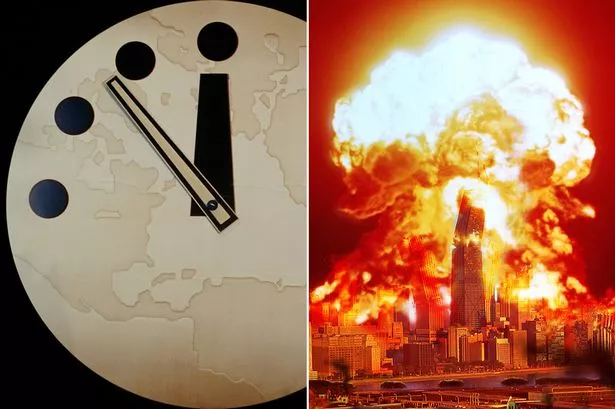
Explore the terrifying future of humanity through the lens of climate change, green effect, doomsday predictions, and the possible ending of civilization. Learn how environmental collapse, human behavior, and technological imbalance may push the world toward a dangerous the nding.
Humanity has always feared one thing: the ending. Every ancient civilization left stories about the end of time — massive floods, burning skies, falling stars, and disappearing lands. Thousands of years later, modern science and climate data are telling us the same thing with more clarity: the Earth is approaching a dangerous point, where survival may not be guaranteed for future generations.
The green effect, global warming, environmental destruction, and rapid technological expansion are bringing our planet closer to collapse. Whether we call it doomsday, climate collapse, or the ending of human civilization, the threat is real.
As a tech-focused brand, SyTechBd believes awareness is the first step toward survival. This editorial blends scientific data, future predictions, and human behavior to reveal what the ending may actually look like—and how we can still change it.
1. Understanding the Green Effect and Its Role in the Ending
1.1 What is the Green Effect?
The green effect refers to:
- extreme warming of the Earth,
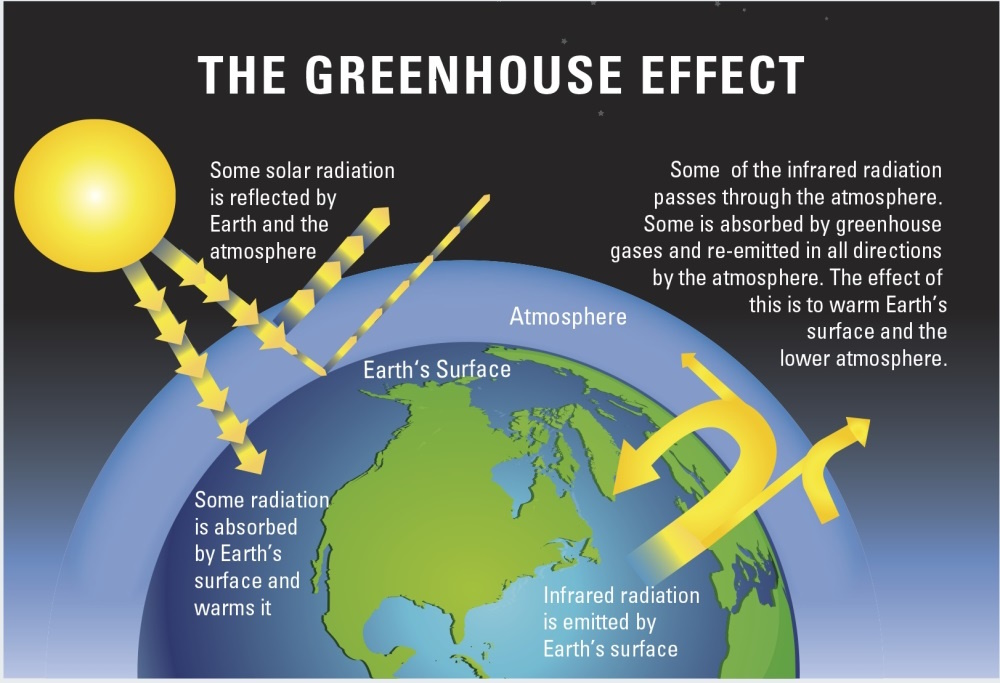
- trapping of heat by greenhouse gases,
- rise in temperature beyond human tolerance.
Though people hear “global warming” often, the green effect is more than heat. It changes everything:
- oceans expand,
- ice melts,
- species vanish,
- forests burn,
- weather becomes violent.
When this chain reaction accelerates, the world enters the early stage of its ending.
1.2 How Human Activity Triggers It
The biggest causes:
- burning fossil fuels
- destroying forests
- industrial pollution
- plastic waste
- overpopulation
Every time the environment is damaged, the Earth becomes weaker, pushing us closer to the final ending.
1.3 Warning Signs Already Visible
The green effect has already created:
- record-breaking heatwaves
- floods that destroy entire cities
- droughts causing water shortage
- hurricanes stronger than ever
- forest fires burning millions of acres
These are not random events — they’re symptoms of the ending.
2. Doomsday Predictions: What Scientists Fear Most
Scientists don’t use the word “doomsday,” but their research shows several possible ending scenarios.
2.1 Temperature Rising Beyond Survival
If the planet warms by 2°C–3°C:
- many cities will be underwater,
- food production will collapse,
- millions will face starvation.
At 4°C:
- outdoor survival becomes nearly impossible.
This slow but guaranteed shift is the most scientifically supported version of the ending.
2.2 Oceans Rising and Swallowing Coastlines
More than 1 billion people live near the coast. Rising sea levels could:
- submerge entire countries
- trigger mass migration
- collapse global economies
Cities like:
- Dhaka
- Mumbai
- Shanghai
- New York
- Amsterdam
are in danger. When coastal regions vanish, the ending accelerates.
2.3 Mass Extinction of Species
Animals are disappearing 100 times faster than normal evolution.
If this continues:
- ecosystems will collapse,
- food chains will break,
- diseases will spread.
Humans depend on nature; if nature dies, humanity follows the same ending.
2.4 Resource Wars
Future crises may include:
- water wars
- food riots
- migration conflicts
- collapse of government systems
When nations fight for survival, peace becomes impossible, pushing civilization toward its ending.
3. Technology’s Role in the Ending
As a tech brand, SyTechBd recognizes both sides of innovation: advancement and danger.
3.1 Overdependence on Digital Life
Humans now live more inside screens than in reality:
- virtual life
- gaming
- social media
- AI immersion
This disconnect weakens humanity’s survival instincts. When real disasters strike, people may not know how to respond.
3.2 Tech Waste and Pollution
Millions of discarded devices create:
- toxic chemicals
- soil contamination
- water pollution
These “invisible killers” slowly push the planet toward its ending.
3.3 AI and the Fear of Control
Some scientists warn about:
- job loss
- AI dominance
- digital manipulation
While not certain, uncontrolled technology could contribute to the ending of human freedom.
4. Is the Ending Inevitable? Understanding Earth’s Crisis Cycle
4.1 Earth Has Faced Ending Events Before
History shows:
The Earth has “reset” many times. The difference now?
👉 Humans are causing the damage.
4.2 Overpopulation and the Pressure on Resources
More people means more:
- food needed
- water consumed
- energy burned
At some point, the Earth may no longer support everyone, leading to a gradual ending of stability.
4.3 Pollution Reaching the Tipping Point
When environmental damage crosses a threshold, the process becomes irreversible.
Scientists call this:
The Point of No Return.
If the planet reaches this stage, the ending is unstoppable.
5. The Psychological Impact: Fear and Denial of the Ending
5.1 A Generation Growing Up in Climate Anxiety
Many young people believe:
- the world will end in their lifetime
- the future is uncertain
- humanity is failing the planet
This fear shapes their decisions and mental health.
5.2 Denial Makes the Ending Worse
Many ignore environmental problems because:
- they feel hopeless
- they don’t understand science
- they think it’s the government’s job
- they believe technology will magically fix everything
This mindset speeds up the ending.
6. What Will the Ending Look Like?
Based on scientific projections, humanity may face:
6.1 Extreme Heat Zones
Cities where stepping outside is deadly.
6.2 Global Food Shortages
Crops fail due to temperature and water imbalance.
6.3 Permanent Water Scarcity
Rivers dry up, underground water reservoirs vanish.
6.4 Social Collapse
When basic needs disappear, society breaks down.
6.5 Climate Refugees
Millions forced to migrate across borders.
6.6 Spread of New Diseases
Warmer temperatures allow deadly viruses to expand.
These events combined create a gradual but undeniable ending.
7. Can Humanity Prevent the Ending?
Yes — but only with urgent action.
7.1 Renewable Energy
Solar, wind, hydro — replacing fossil fuels stops greenhouse gas buildup.
7.2 Reforestation
Planting trees restores oxygen balance, reduces carbon, and repairs ecosystems.
7.3 Recycling Technology
Eco-friendly tech reduces waste and pollution.
7.4 Green Cities
Smart transport, electric vehicles, and efficient buildings reduce environmental strain.
7.5 Global Cooperation
No single country can stop the ending alone. The world must work together.
7.6 Survival Mindset
Teach new generations:
- outdoor skills
- scientific awareness
- environmental responsibility
This creates a society capable of facing disasters, slowing the ending.
8. SyTechBd’s Perspective: Technology With Responsibility
SyTechBd believes technology should:
- improve human life,
- support sustainability,
- reduce environmental harm.
We promote:
- eco-friendly gadgets
- energy-efficient solutions
- responsible tech disposal
The goal is simple:
Innovation without contributing to the ending.
Conclusion: The Ending Is a Warning, Not a Final Sentence
The world is facing its most dangerous era.
The green effect, doomsday predictions, climate collapse, and uncontrolled technology are shaping a possible ending of human civilization.
But the ending is not inevitable.
If humanity:
- respects nature,
- controls technology,
- reduces pollution,
- changes consumption habits,
- unites for the planet,
the story can change.
SyTechBd encourages everyone to take responsibility.
Your actions today decide whether the world faces an unavoidable ending or begins a new chapter of survival and harmony.