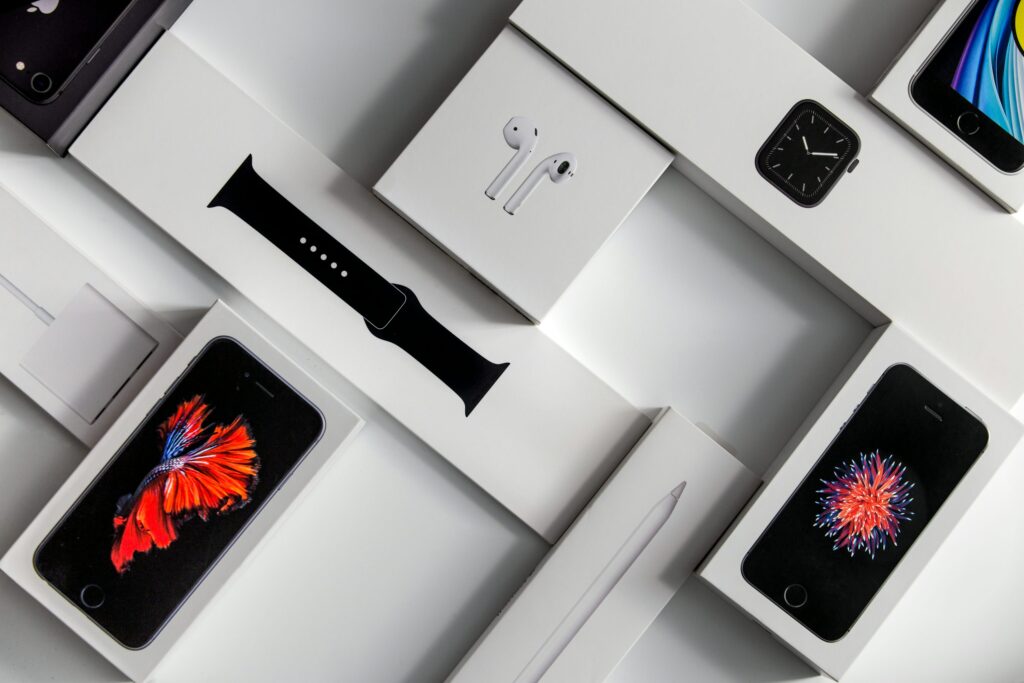

Apple is one of the most powerful brands in the world, admired for its innovation, design excellence, and customer loyalty. From two young men working in a garage to becoming a trillion-dollar tech giant, Apple’s journey is a masterclass in vision, perseverance, creativity, and marketing. This article dives deep into how Apples was created, how it grew so fast, why it became so popular, and why its brand value is so high today.
Powered by SyTechBd, here is the full story of Apples—how a small startup changed the world.
🔵 How Apple Started: The Birth of an Iconic Company
Apple began with two brilliant minds—Steve Jobs and Steve Wozniak. The year was 1976, and both were inspired by the growing demand for personal computers. Until then, computers were huge, expensive, and used only by corporations or research labs. The idea of a computer for personal use was unheard of.
Steve Wozniak created the Apples I computer, a simple yet functional device. Steve Jobs saw the potential to commercialize it. Together with Ronald Wayne, they founded Apples Computer Company on April 1, 1976.
⭐ The First Breakthrough
The Apple I was sold as a fully assembled circuit board, an innovation at that time. Despite its simplicity, it showed customers that computers could be personal, small, and useful.
This innovation mindset would define Apple forever.
🔵 Apples II and the Rise to Fame
Apple truly became popular in 1977 with the launch of the Apple II. It was:
- Easy to use
- Visually appealing
- Powerful for its time
- Designed for home and school use
The II became one of the world’s first mass-produced personal computers.
⭐ Why It Succeeded
II supported:
- Color graphics
- External storage
- Early software programs
- Gaming
- Education tools
As customers began using personal computers for writing, accounting, gaming, and even early editing with mobile-style portability (conceptually), demand grew rapidly.
By the late 1970s, Apples became one of the fastest-growing companies in the USA.
🔵 1984: Macintosh and the Revolution of User-Friendly Computing
Introduced the Macintosh in 1984. This computer changed history.
It was:
- The first mass-market computer with a graphical user interface (GUI)
- The first to use a mouse
- Much more user-friendly than MS-DOS systems
The famous commercial “1984,” directed by Ridley Scott, positioned as the company that would free people from boring, complex machines.
⭐ Why Macintosh Was Revolutionary
Before the Mac, computers used command-line interfaces—text-only screens requiring typed commands.
Macintosh changed everything with icons, windows, and menus.
Today’s interface design, smartphone UI, and even editing with mobile apps all owe some inspiration to the original Mac interface.

🔵 Apple’s Crisis and the Return of Steve Jobs
Despite its early success, faced a major crisis in the 1990s.
The company struggled with:
- Too many product lines
- Declining innovation
- Strong competition from Microsoft
- Increasing financial losses
In 1997, Applle was almost bankrupt.
⭐ Steve Jobs Returns
Steve Jobs rejoined after his company, NeXT, was acquired. His return marked the start of Applle’s greatest transformation.
Jobs simplified the product line, redesigned brand identity, and focused on quality over quantity.
This shift restored Applle’s innovative spirit.
🔵 The iMac: Apple’s Comeback
In 1998, released the colorful iMac G3. It had:
- A unique translucent design
- Powerful hardware
- Easy setup
- USB-only ports (a bold move)
The iMac brought back into profitability.
This was the beginning of Applpe’s design-driven era, influencing everything from laptops to editing with mobile interfaces in the modern age.
🔵 The Era That Changed the World: iPod, iPhone & iPad
A.pple’s transformation into a global giant accelerated with three revolutionary products.
⭐ 1. iPod (2001)
The iPod changed how the world listened to music.
- “1,000 songs in your pocket” became a cultural phenomenon
- Simple design
- Easy-driven interface
- Integration with iTunes
now dominated the digital music industry.
⭐ 2. iPhone (2007)
Perhaps the most iconic device ever created.
The iPhone introduced:
- Multi-touch screen
- No physical keyboard
- Advanced camera
- App Store ecosystem
- Sleek premium design
It disrupted:
- Nokia
- BlackBerry
- Motorola
- Samsung (initially)
The iPhone also changed how creators worked, making editing with mobile increasingly common thanks to powerful processors and high-quality mobile apps.
⭐ 3. iPad (2010)
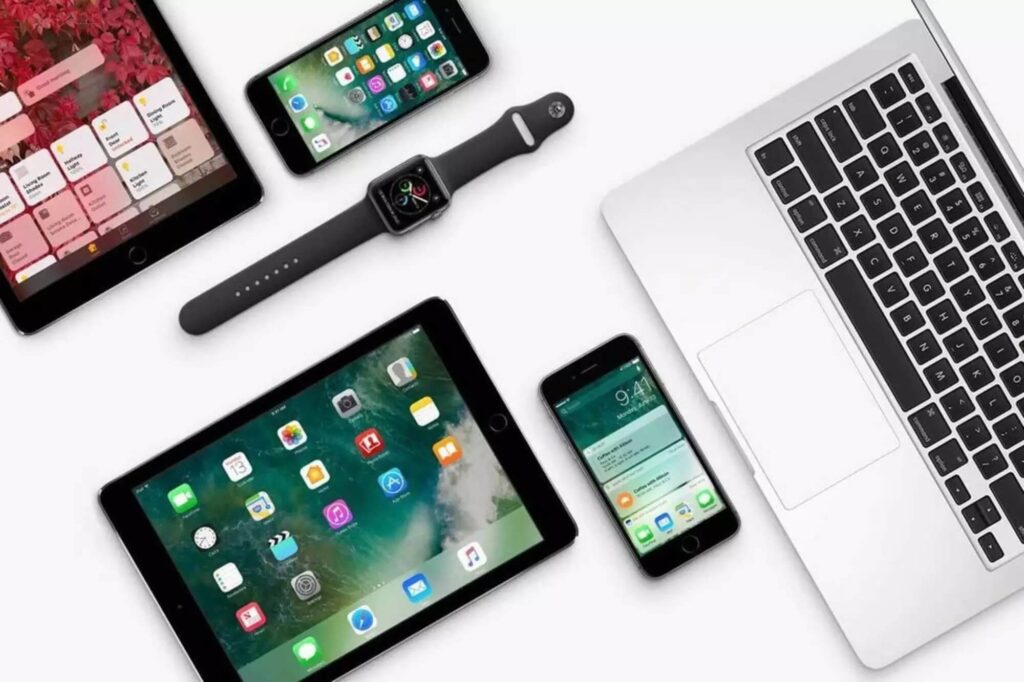
The iPad created a new category between laptops and phones.
It became popular for:
- Education
- Business
- Art & design
- Entertainment
- Productivity
And once again, it improved mobile workflows—especially editing with mobile for creators.
🔵 Why Apples Grew So Fast and Became a Global Brand
A.pple’s rapid rise is not just because of its products. The company followed a unique formula that no other tech brand could replicate.
Let’s break it down.
⭐ 1. Simple and Elegant Design Philosophy
Appple’s design-first mindset became its biggest advantage.
- Clean
- Minimal
- Premium
- Intuitive
Its products stood out instantly. The design was so user-friendly that even beginners could easily adapt—similar to how editing with mobile apps became accessible.
⭐ 2. Ecosystem Integration
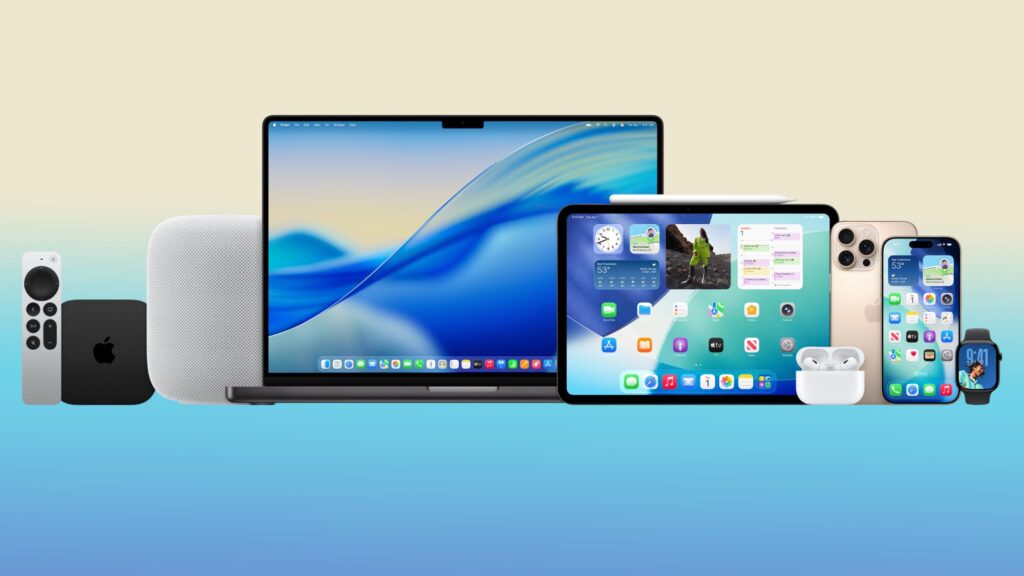
Appl.e devices work flawlessly together:
- iPhone
- iPad
- Mac
- App.le Watch
- AirPods
- iCloud
This seamless ecosystem makes users stay with for years.
Competitors cannot match this level of integration.
⭐ 3. Brand Trust and Emotional Connection
A.pple has built a brand that feels premium, trustworthy, and aspirational.
People buy not just for features, but for:
- Status
- Lifestyle
- Reliability
- Prestige
This emotional branding helped grow extremely fast.
⭐ 4. Marketing Genius
Marketing is simple and powerful.
- Minimalist ads
- Emotion-based storytelling
- Focus on user benefits
- Clear product messaging
A.pple markets experiences, not specifications.
⭐ 5. Innovation and Future Vision
A.pple consistently invests in:
- R&D
- Unique chip designs
- Camera evolution
- AI & machine learning
- Ecosystem enhancements
Every product pushes the industry forward, much like how editing with mobile tools evolve with each new iPhone chip.
🔵 Why Appl e’s Value Is So High Today
Became the first trillion-dollar company and later touched the three-trillion mark. Its brand value remains one of the highest in the world.
Here’s why:
⭐ 1. Strong Customer Loyalty
Applle users rarely switch brands.
This loyalty ensures consistent sales.
⭐ 2. High-Profit Margins
Appl e prioritizes:
- Premium pricing
- Quality materials
- Efficient manufacturing
This results in the highest profit margins in the tech world.
⭐ 3. Diversified Revenue Streams
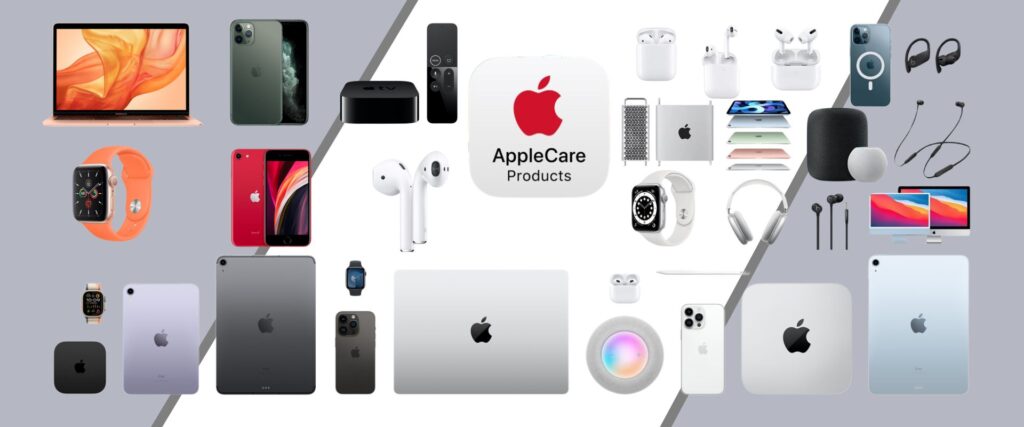
Earns from:
- iPhone
- Mac
- iPad
- App.le Watch
- Services (iCloud, Appl es Music, App Store)
- Accessories (AirPods, keyboards, chargers)
Services alone make billions every year.
⭐ 4. A Powerful Ecosystem That Locks Users In
Switching out of the ecosystem is extremely difficult once you’re used to it.
⭐ 5. Global Presence and Premium Branding
People around the world see Ap.ple as a luxury tech brand—even when using its products for simple tasks like communication or editing with mobile.
🔵 The Role of Steve Jobs in Apple’s Success
Steve Jobs’ leadership shaped identity.
He focused on:
- Perfection
- Design
- Simplicity
- User experience
- Innovation
- Emotion-driven technology
His passion led to the creation of:
- iPhone
- iPad
- iPod
- iMac
- MacBook
Jobs believed technology should be beautiful, not complicated. This philosophy lives on in appls modern products.
🔵 Apple After Steve Jobs
After Steve Jobs passed away in 2011, many feared would decline.
But under Tim Cook, appple continued to grow:
- Watch
- AirPods
- M1/M2 chips
- Silicon
- iPhone Pro series
- Services expansion
- Sustainability-driven manufacturing
Apple became more profitable than ever.
🔵 Aple’s Influence on Modern Technology
shaped:
- Smartphone design
- Tablet evolution
- Wearable technology
- App-based ecosystems
- Mobile photography
- Editing with mobile workflows
- User interface design
- Minimalist branding
Many industries today follow standards set by Apple.
🔵 Why Apple Remains So Popular
products are:
- Smooth
- Fast
- Stable
- Premium
- Reliable
- Easy to use
From students to professionals to filmmakers, everyone finds value.
The company reinvents itself every few years, ensuring customers always stay excited.
🔵 Final Words — Aple’s Journey Is a Blueprint for Innovation
From a small garage in California to becoming the most valuable company in the world, Apple’s journey is legendary. The brand grew fast because of its:
- Vision
- Simplicity
- Innovation
- Marketing
- Premium identity
- Customer trust
- Strong ecosystem
changed how the world communicates, works, and creates. Even modern workflows like editing with mobile owe their power to evolution in smartphone and chipset technology.
For more tech insights, device reviews, and premium gadget updates, stay connected with SyTechBd—your trusted tech partner in Bangladesh.